
What is Dopamine Decor All About?
When we’re kids, our rooms are painted bright colors, with posters of our favorite boybands or...

.png)
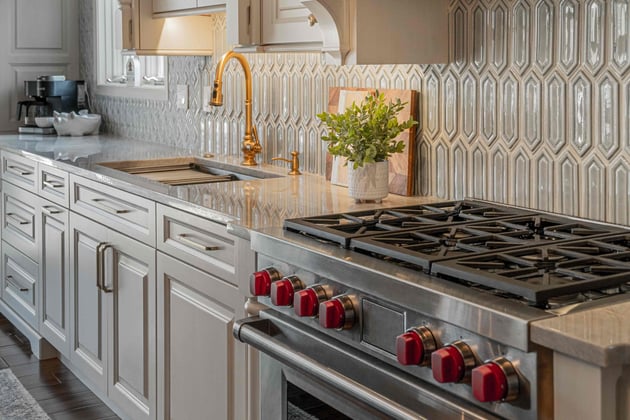
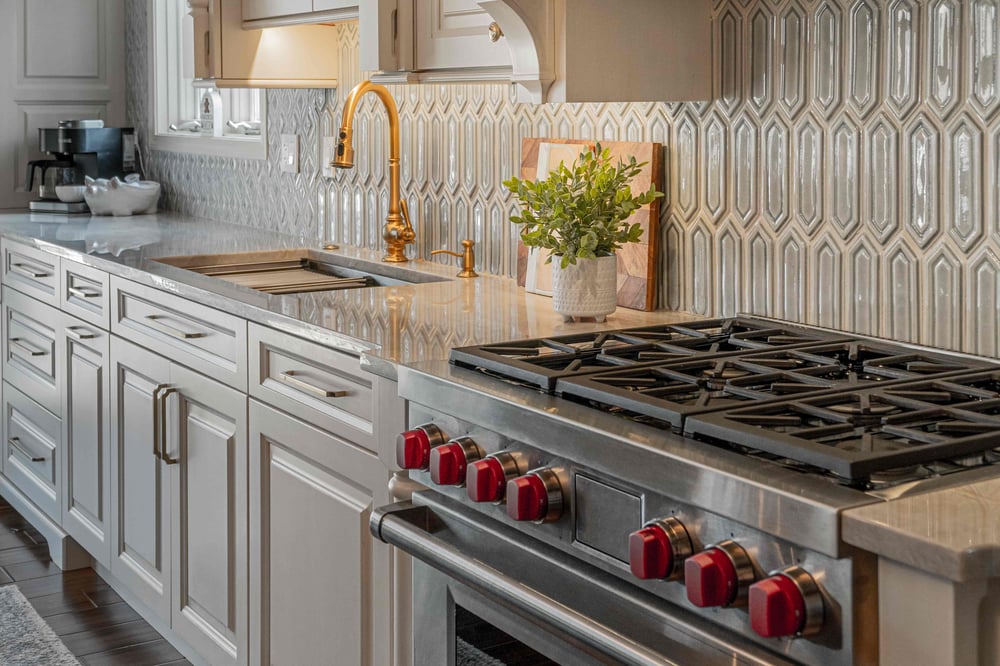
Texture, the unsung hero of interior design, is a versatile tool that can add richness, depth, and character to any space. Its ability to enhance a room's tactile and visual aspects makes it a decisive element in home design. But what exactly is texture in design, and how can we unleash its potential in our homes? Explore our guide to using texture in design and discover its endless possibilities.
Texture in interior design relates to the surface quality of an object. It's not just about how things feel to the touch but also how their visual characteristics influence our perception. Textures can be coarse, silky, smooth, rough, shiny, or matte – each category lending unique attributes to a space. They can be achieved through various means - from fabric and furniture finishes to lighting, accessories, and plants.
The key to achieving a stunning textural effect in your space is layering. It's about combining multiple texture sources, each contributing to the overall design aesthetic. Imagine a room where matte, glazed ornaments mingle with plush rugs and textured wall treatments. The result? A space with depth and vibrancy that instantly draws you in and inspires you to experiment with your own space.
Contrasting Fabrics: A Game Changer
Mixing different-textured fabrics can elevate a room's visual interest. Imagine pairing natural linens with soft velvets or sturdy leathers with thick wool. This strategy of juxtaposing textures creates a dynamic and exciting atmosphere.
Textured furniture can be an excellent source of tactile interest. The coolness of a marble table, the rustic charm of an oak dining table, the exotic allure of a shagreen-lined chest, or the luxury of a velvet sofa adds a distinct flavor to the room.
Home accessories like vases, ornaments, sculptures, and mirrors can enhance the room with varied textures. Plants and flowers, with their diverse forms and colors, add a touch of nature and help tie together different textures in a space. Let's remember lighting too. The dual role of providing texture, in terms of the lamp’s physical attributes and the quality of light it emits, cannot be ignored, adding yet another layer of texture.
The kitchen, often the heart of a home, allows for a unique playground for materials and texture. Mixing materials with different textures and finishes can result in a visually appealing, practical, and personalized kitchen space.
Regarding texture, the choices are limitless, and it's up to you to experiment. However, it's crucial to consider your overall style, scale, balance, transitions, and inspiration when selecting textural elements. With careful planning and the help of our team at OHi, your home can reflect your unique style and personality, leaving a lasting impression on anyone who visits. Contact us today for all your finishing touches or home remodeling needs, and rest assured that your design decisions are well-informed and confident.

When we’re kids, our rooms are painted bright colors, with posters of our favorite boybands or...
.jpg?height=230&name=Flooring-IndivSvc-Tile-Image2(1).jpg)

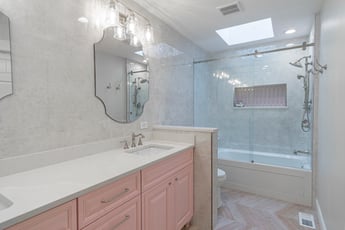
Undertaking a bathroom remodel requires a homeowner to make a great many choices. Each surface or...
Leave a Comment