
Where to start? Deciding Which Room to Remodel Based on Your Needs
At OHi, it is common for us to meet with homeowners who are hopeful of updating multiple rooms,...

.png)

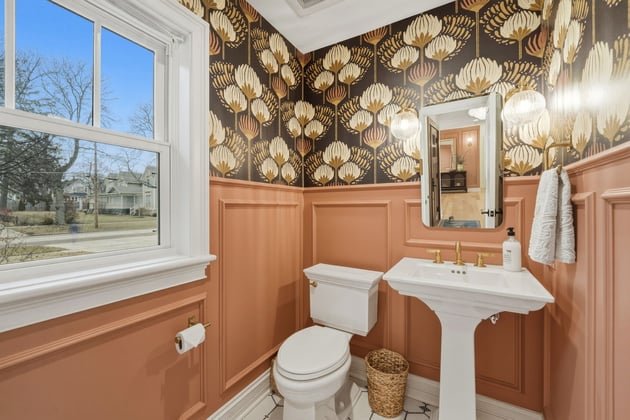
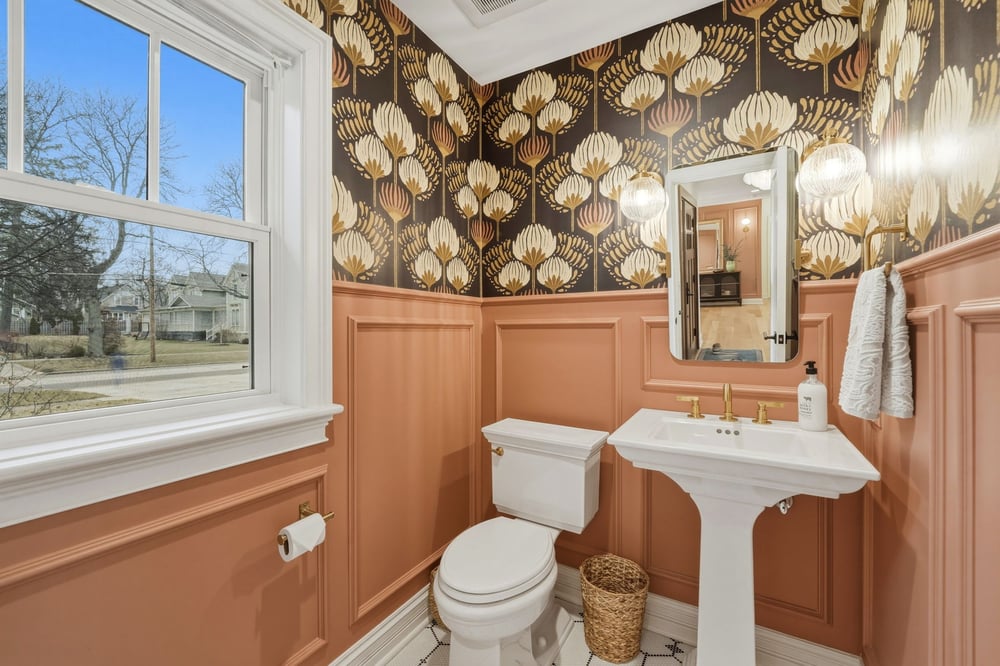
If you’ve ever tried to define your “design style,” you’ve probably felt a little boxed in. Are you modern? Traditional? Farmhouse? Minimalist? The truth is—you don’t have to be just one thing. Great design isn’t about fitting into a label; it’s about creating a space that reflects you.
In fact, the most interesting and livable homes are often a blend of styles, thoughtfully brought together. That’s why working with a professional designer can make such a difference—they help translate all your ideas, preferences, and inspirations into a cohesive look that actually works in your space.
So where do you start if you don’t even know what you like?
A great first step is to explore platforms like Pinterest or Houzz. These tools make it easy to save images, products, and full spaces that catch your eye. Don’t overthink it—just start pinning or saving anything you’re drawn to. Over time, patterns will emerge. Maybe you’re consistently choosing warm wood tones, or gravitating toward clean lines with cozy textures. That’s your style beginning to take shape.
You can also explore curated boards from past design projects. Looking at real-life applications—especially ones that include both aesthetic and functional elements—can help you better understand what you might want in your own home. Check out our Pinterest boards and Houzz profile.
Another helpful step is reviewing completed work from professionals. While inspiration images are great, seeing full projects provides context—how everything comes together in a finished space.
Take some time to browse an online portfolio like ours, which you can find here.
Pay attention to the details:
Even if you don’t love an entire project, you might find specific elements that resonate with you—and those pieces are just as valuable.
As helpful as photos are, nothing compares to seeing and touching materials in real life. Visiting a showroom allows you to fully experience the texture, color, and overall feel of different finishes.
If you’re nearby, you can visit our showroom at:
106 Garlisch Drive
Elk Grove Village, IL 60007
Seeing cabinetry, countertops, flooring, and fixtures in person gives you a much clearer sense of what will work in your home. Lighting, scale, and texture can all look completely different than they do on a screen.
Once you’ve gathered ideas, the next step is turning them into a cohesive plan—and that’s where a designer really shines.
Instead of forcing your preferences into a single “style,” a designer helps blend your influences into something unique and functional. They consider not just how your space looks, but how it works for your daily life.
Even better, many designers can create 3D models of your space. This allows you to visualize the final result before any work begins, giving you confidence in your decisions and clarity on how everything will come together.
Finding your design style isn’t about choosing a label—it’s about discovering what feels right to you. By gathering inspiration, exploring real projects, experiencing materials firsthand, and working with a professional, you can create a space that’s both beautiful and uniquely yours.
And remember: your style doesn’t have to fit into a box - the best spaces never do.

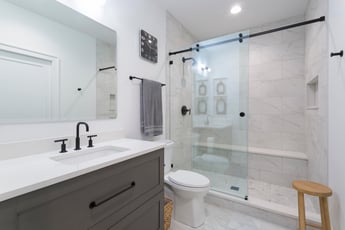
At OHi, it is common for us to meet with homeowners who are hopeful of updating multiple rooms,...
Leave a Comment